Occupation: Home
For most of my adult life, home fit inside a small white box on a customs form.
Occupation.
The pen would hover. It still does.
The first time was in 1986, when I arrived in Sydney, Australia. Newly married. Newly uprooted. I had left a career in the United States and stepped into a country where I knew almost no one and did not yet know who I would become.
I left the box blank.
The immigration officer did not. He looked at me, at the empty line, and wrote a word himself.
HOMEMAKER.
I was not ready for that word. It felt assigned. Final. As if something had quietly closed behind me.
And so for decades — Australia, New Zealand, England, Vietnam, back to the United States — I filled in that same word. Sometimes obediently. Sometimes begrudgingly. The pen wavering each time.
Until India.
On that trip, our guide asked the familiar question. “What do you do?” I told him the story of the box. Of the officer. Of the word that never quite fit.
He smiled. “Mrs. H, in our country, we have a better term. We call our wives and mothers the Home Minister.”
Home Minister.
Prime Minister. Finance Minister. Foreign Minister.
Why not Home Minister?
He said it was a position of respect.
I accepted the promotion. When I filled out my next entry card, I wrote it without hesitation.
Home Minister.
At the time, I told the story lightly. Travel humor. A cultural exchange that made me smile.
Now I see it differently.
It was about naming. About identity. About the quiet authority to define myself.
And perhaps it was also about home.
Recently, I spoke with two women, one from France and one from Italy. Both have lived in the United States for more than forty years. Their children were born here. Their lives are rooted here.
And still, when we said the word “home,” there was a pause.
They described returning to their childhood towns and feeling slightly out of rhythm. The streets familiar. The language intimate. And yet something had shifted. They had changed. The towns had changed.
Here in America, they sometimes feel foreign. There, they feel like visitors.
I understood.
An expat life alters you in quiet, permanent ways. You learn to live in translation. You adjust your voice, your pace, your expectations. You carry your history folded inside you.
The hardest truth of loving more than one place is this: you will never again belong in the uncomplicated way you once did.
There is always a small internal hesitation.
Where are you from?
It depends.
In Australia, I learned to measure distance differently.
In New Zealand, I learned to move lightly.
In England, I learned the stillness of hedgerows in winter.
In Vietnam, I learned that home can smell like jasmine and motorbikes at dusk.
In New Hampshire, I learned that return is not the same as restoration.
None of these places cancels the others.
They live side by side.
When I reread my early blog posts, I see a younger woman wrestling with that customs form. Slightly indignant. Not ready to be reduced to a single word.
I want to tell her this:
You are not being diminished. You are being expanded.
You will build homes on three continents. You will learn that identity is not a title but a practice. You will discover that belonging is not a passport stamp.
You will also discover that it aches.
Because when home becomes plural, it can feel elusive.
But stay with it.
For years, I thought I was searching for home.
Now I know I was learning how to build it.
Again and again.
In rented houses. In borrowed kitchens. In school drop-off lines. In gardens planted just before another move. Each time, I carried the essential pieces with me. Each time, I began.
And now, here.
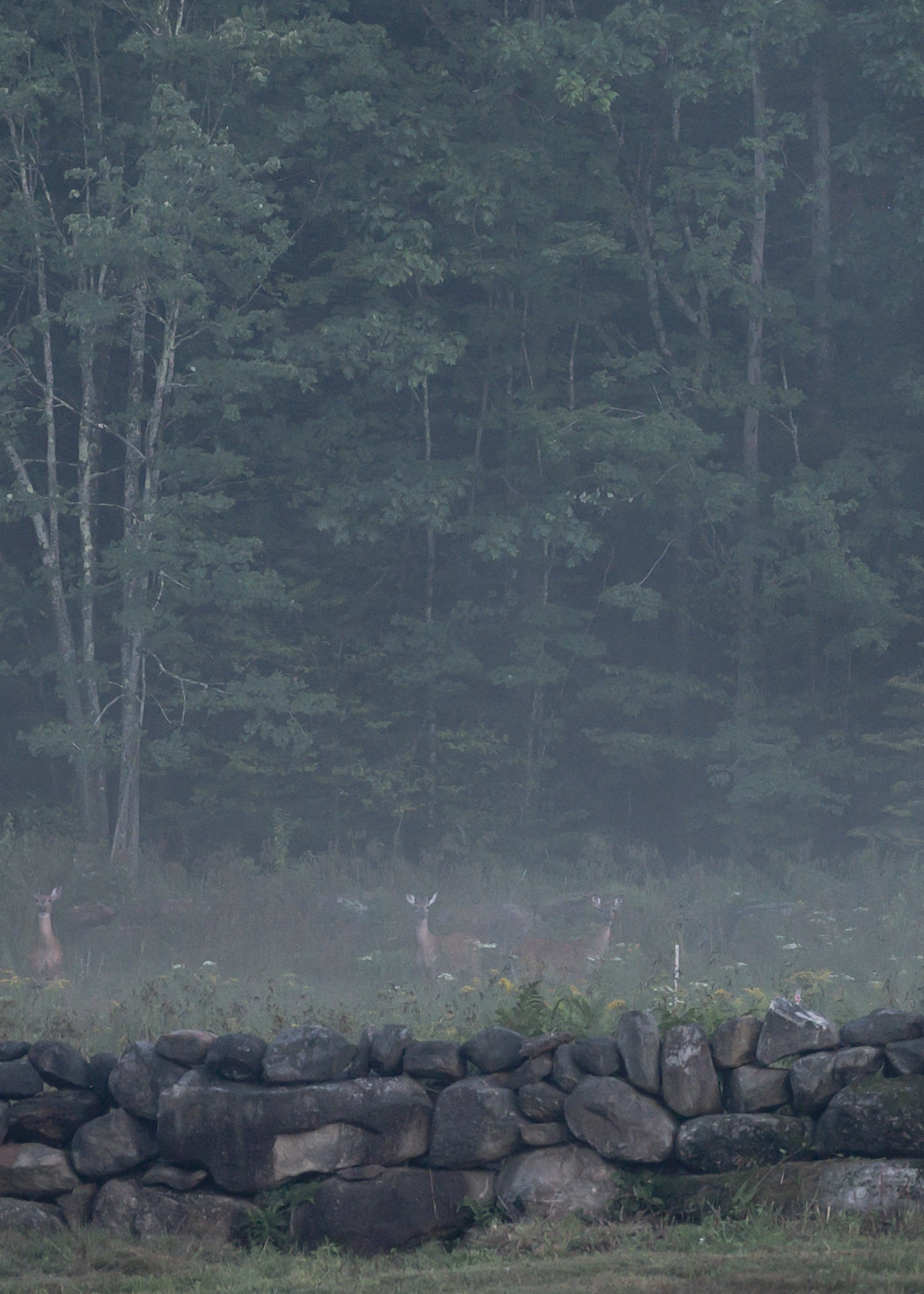
In New Hampshire. At Tahilla Farm. In this house with its old stone walls and winter light pressing softly against the windows.
This home was not stumbled upon. It was chosen. Shaped. Grown into.
The expat years did not leave me unmoored. They gave me range. They taught me how to arrive fully, how to begin without fear, how to make space and call it ours.
Belonging, I have learned, is not about simplicity. It is about commitment.
I no longer tense when someone asks where I am from. The answer is layered. But it is steady.
I am from the places that shaped me.
I am from the homes I built.
I am from the life I chose.
And I am here.