For anyone who has moved often, and still carries places within them.
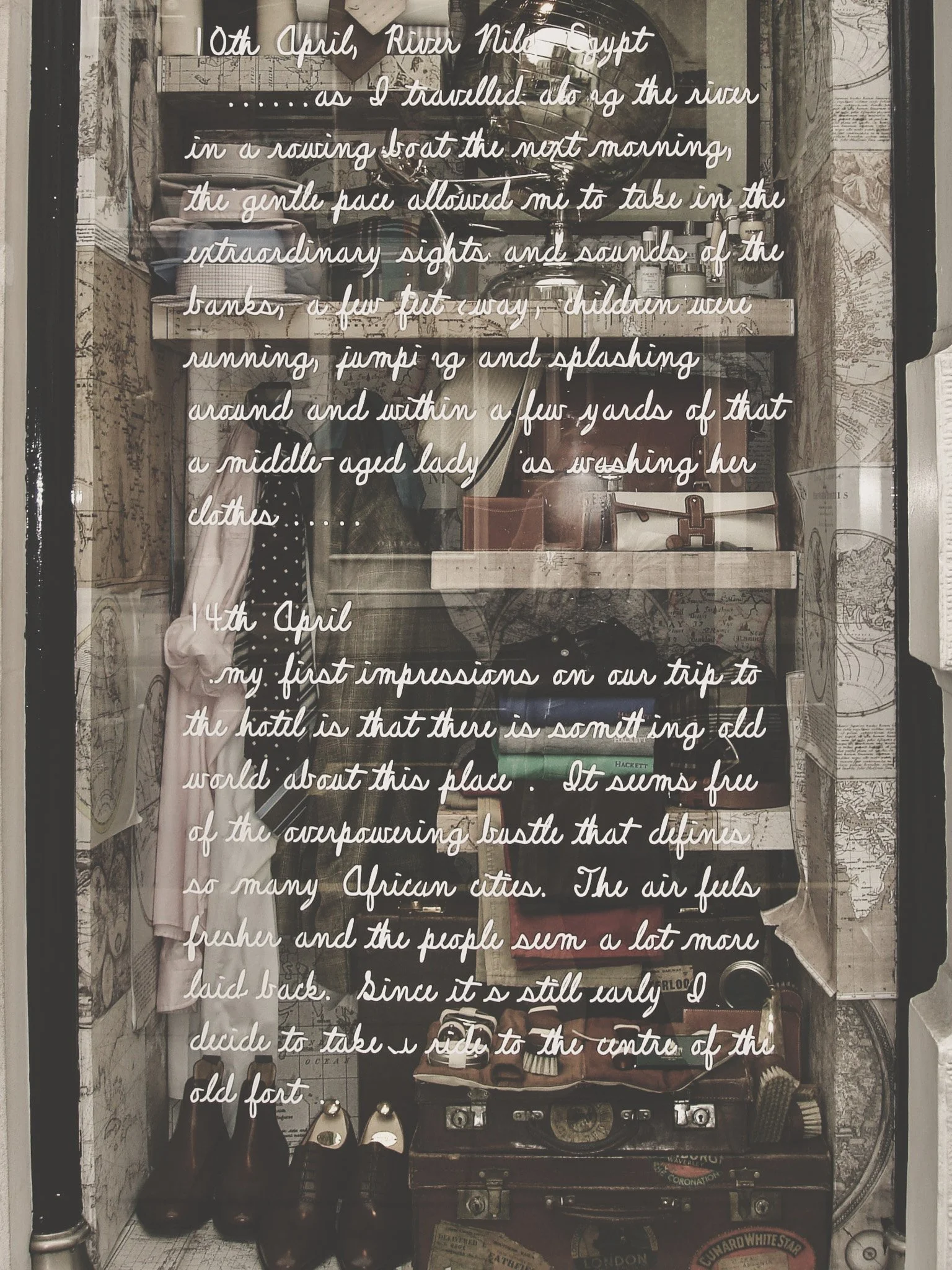
The rhythm of elsewhere….
There are moments when the past arrives unannounced. It might be as subtle as brushing against an herb in the garden, the hum of a motorbike drifting through memory, or the soft tinkle of a bell on a shop door, and the scent of aged books lingering in the air as you step inside. These fleeting impressions open a doorway back to a life once lived elsewhere.
If you have ever lived the expat life, or simply moved enough that places still live inside you, then you know how quietly it lingers. A song, a taste, a scent, and suddenly you are there again. This is for anyone in the “after,” still carrying worlds within them, still wondering what it means to belong.
The rhythm of elsewhere
One day, you are settled into the rhythm of elsewhere. You slip through unfamiliar scenes on a train, learn new streets, watch the tides shift in a place that begins to feel like yours. For me, it was the train from Esher to London Waterloo, the alleys of Saigon, the tides in Sydney. For you, it may have been somewhere entirely different. The feeling is the same. The rhythm of elsewhere eventually becomes your own, until suddenly it is not.
When it is time to move on, there is often no closing chapter. Just memory, and the quiet ache of what was once familiar.
And yet, something remains. Not only the photographs, the art, or the friendships, but the version of yourself shaped by living between places. The self who learned, again and again, to begin.
What we carry
That life may be behind us, but it never truly leaves. I feel it every day here at Tahilla Farm. It is in the art we have collected, the books that line our shelves, the textures of home woven from lives once lived elsewhere. It is also in the friendships I make now, which so often echo the warmth and openness I found while living overseas.
The house hums with the voices of past homes. Large terracotta urns from Vietnam by the front door, Aboriginal paintings from Australia, recalling our own long walkabout. A selection of Chinese teas and their quiet rituals. A book from Sissinghurst Castle Garden, still marked in the margins with ideas gathered while wandering the white garden. Small things that carry whole lives within them.
Our landscape, too, has become a kind of memory map. This year, we drew the meadow closer to the house, letting the grasses rise and ripple in the breeze—north, south, east, and west —as if they remembered the long flights across continents, the goodbyes, the beginnings. Somewhere in their movement, I find myself smiling. I remember all the versions of myself moving with four children, mountains of bags and emotions, certain each time would be the last until it was not. I am deeply grateful we had that life.
These memories are quiet, but constant. I walk them every day. And I know I am not alone. Over the years, many have written to me with their own stories, reminding me of the comfort that comes when someone simply says, I know that feeling too.
Back to “Home”
For some, life abroad ends abruptly. It is swept away by world events, political change, and circumstances beyond control. For others, the return is a slow unwinding of a chapter that once felt endless.
You come back between countries, between cultures, between definitions of home. You arrive in a place that is technically yours, yet no longer carries the whole story.
For me, it was New England. Familiar and beloved, yes, but at first it felt as though I had stepped back into someone else’s life, not quite my own.
My sense of home is layered. I still carry the echoes of the woman I became in every place we lived. Each version of her lives here, quietly.
Once you have lived between worlds, you are never only from one place. You are always becoming.
I imagine many of you carry your own fragments of elsewhere. An object on a shelf. A recipe in a notebook. A habit that never left. Quiet signposts, reminding us that belonging is not fixed. It deepens, layering itself as we move.